Cold Chain · Cold chain alert
Cold chain temperature excursions: where perishable losses really happen between dock and shelf
Most temperature excursions are not dramatic truck failures. They are short, repeated warm spells at handover points: docks, cross-docks, back rooms and store floors.
- Chilled target
- Commonly 0–5°C, depending on product and local rules
- Frozen target
- Commonly −18°C or colder
- Hot spots
- Loading docks, cross-docks, store back rooms, display loading
When people imagine a cold chain failure, they picture a refrigerated truck breaking down on a hot motorway. Those failures happen, but they are not where most of the damage is done. Temperature data from food logistics tends to tell a less dramatic story: perishable products lose quality through many short excursions at the points where they change hands.
This article walks through the chain from dispatch dock to retail shelf and looks at where excursions happen, why they matter and what operators can do.
What counts as an excursion
An excursion is any time a product goes outside its specified temperature range. For chilled foods, that range is usually somewhere around 0–5°C, depending on the product and the rules where it is sold. For frozen foods, it is commonly −18°C or colder. Some products, such as bananas, certain fresh produce and chocolate, have their own ranges, including risks from being too cold.
Not every excursion is a food safety issue. A short rise in air temperature may barely move the core temperature of a full pallet. But repeated excursions add up. Shelf life shortens, quality drops, and in frozen goods, ice crystals grow each time product warms and re-cools.
Hot spot 1: the dispatch dock
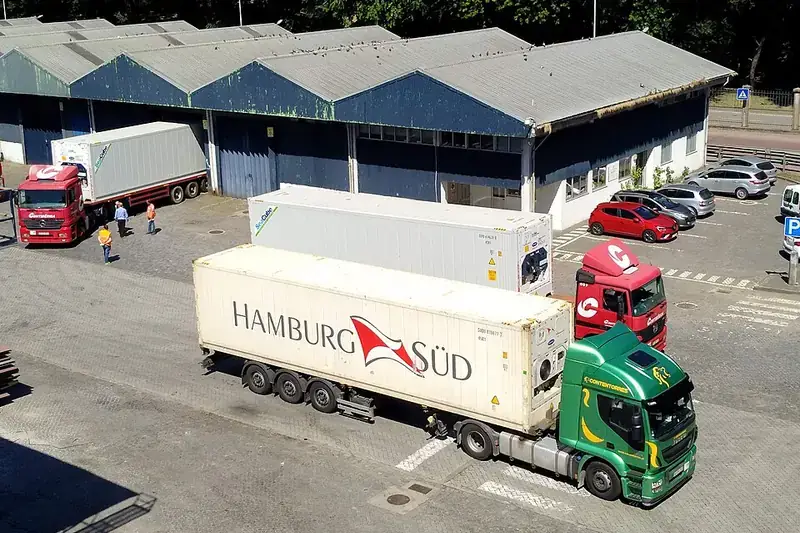
Loading docks are a classic weak point. Pallets are often staged on the dock while a trailer is loaded, especially when orders are picked in waves. If the dock is not refrigerated or the dock seals are poor, pallets warm up. Doors open and close, warm air moves in, and the trailer itself may not have been pre-cooled.
Fixes: refrigerated docks, dock shelters and seals, pre-cooling trailers before loading, and loading directly from cold storage rather than staging.
Hot spot 2: in transit, doors and multi-drop
On a single-drop journey, a well-maintained refrigerated trailer holds temperature well. Multi-drop deliveries are harder: every door opening lets cold air out. Mixed-temperature loads with partitions add complexity. Drivers may switch off refrigeration units during stops to save fuel or noise.
Fixes: curtain strips, route planning to reduce door openings, compartment management, telematics that alert when temperature or door status changes.
Hot spot 3: cross-docks and hubs
Cross-dock facilities move products from inbound to outbound vehicles quickly. If the cross-dock is ambient or only partly chilled, products can sit at warm temperatures while waiting for the outbound load. Delays at peak times make this worse.
Fixes: chilled cross-dock areas, time limits for product on the floor and scanning that tracks how long each pallet has been out of storage.
Hot spot 4: the store back room
At store level, deliveries often arrive during busy periods. Roll cages may sit in a corridor or back room before being moved into a cold room or onto the shelf. Back-room chillers may be full. This can be one of the longest excursions in the whole chain.
Fixes: delivery windows that match staff availability, clear rules for how fast chilled and frozen products must be put away, and sufficient back-room cold storage.
Hot spot 5: the display case
Open-front chillers and poorly loaded freezers create their own problems. Product placed above the load line or blocking air curtains warms up. Night blinds that are not used, faulty door seals and frosted evaporators all reduce performance.
Fixes: load-line discipline, regular maintenance and defrost checks, doors on chillers where possible, and temperature monitoring at shelf level.
Making excursions visible
The most useful step is simply to measure. Data loggers or wireless sensors at each handover point show where products spend time out of range. Many operators find that the worst problems are in places they did not expect.
A practical checklist
- Map each handover point from dispatch to shelf.
- Measure product, not just air, temperature where possible.
- Set time limits for products outside storage.
- Fix the biggest excursions first.
- Share data between partners, since excursions often fall between companies.
The cold chain is a chain of handovers. Improving the weak links usually costs less than replacing a truck, and it saves more food.
Key figures above are general reference points, not regulatory limits.